Many people wonder what a solitary retreat is. I notice that unless you are a meditation practitioner, you have probably never even heard of a solitary retreat, what it is, how it works, and why people do it.
For this reason, I want to share my experience of my two-month solitary retreat, the reasons why people do it, why I did it myself, and what the outcomes were.
What Is a Solitary Retreat?
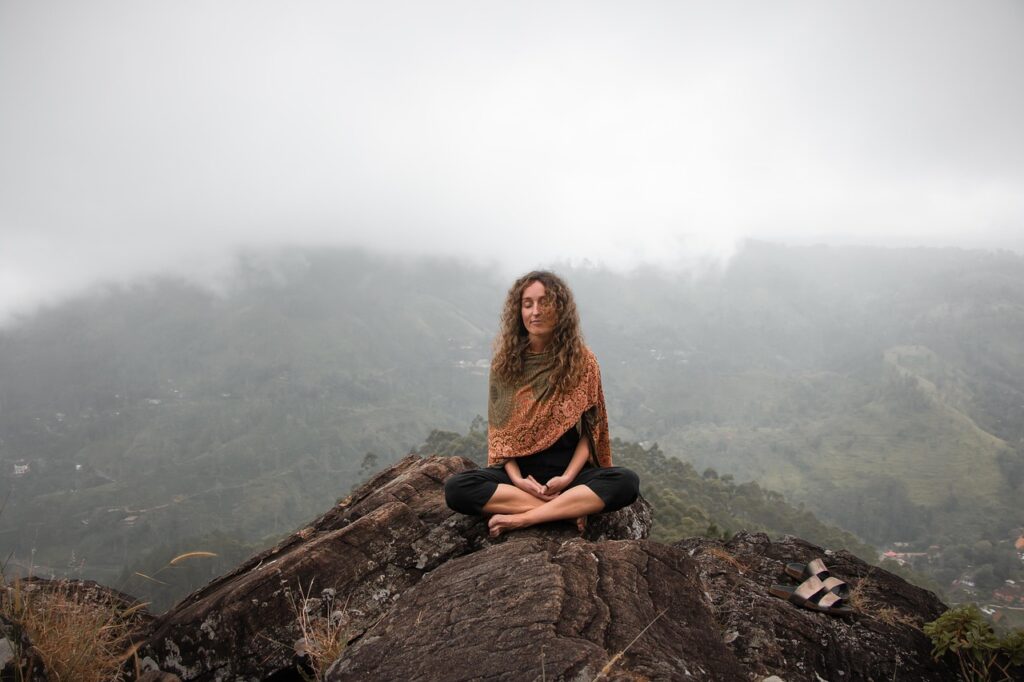
A solitary retreat can vary in length. Some people choose five days, some even a weekend, but solitary retreats can last much longer: one month, three months, or even years if you are a dedicated yogi.
What does it entail?
You simply disconnect from the world for the period you choose: disconnecting from the internet, from talking with people, from messaging, from social networks, from work, from friends, from family, from everything. You dedicate that time only to yourself.
Now, we are not talking about just relaxing or chilling out with a hot bath. This is something you can do in everyday life without needing a solitary retreat. Here we are talking about taking time off from the world to watch your mind. In a solitary retreat, it is recommended to keep reading to a minimum (if not removing it altogether), avoid oversleeping or overeating, and dedicate that time to observing your mind.
Why do people choose to remove themselves from the world to watch their mind?
Because in the context of deep meditation, external inputs can be constant distractions. When your phone pings and you reach out to read it, your attention has already shifted from the internal world to the external world. By removing yourself from those distractions, you have more opportunity to look inward.
What are we looking for?
We are simply watching the mind: how it works, thoughts coming and going, general patterns, deeper patterns we have never seen before, the process of thinking developing, how reality unfolds, how we project reality, and all sorts of things the mind does continuously in every moment that we are usually unaware of. Spending time looking inward means we start noticing patterns of our own mind that we could not notice in the midst of the chaotic and noisy outer world. Suddenly, in external silence, we are able to see all the internal noise. Yep, it is noisy inside too!
Who Should (and Shouldn’t) Do This
Now I want to be clear: you need to be psychologically sound. You cannot do this if you have deep trauma or psychological upheaval. Being alone without distraction is tough. If you consider that in prison, solitary confinement is one of the worst forms of punishment, you understand that choosing solitary time voluntarily requires readiness.
This is very discouraged if you suffer from psychological difficulties, and absolutely to be avoided if you suffer from any psychotic disorders. Even if you have recent traumas or unresolved past trauma that could surface in the silence of your solitude, proceed with extreme caution. It can be dangerous.
There may be retreat centres that offer professional support, but you need to make sure that support is genuinely available and that there are qualified people who can help if something comes up.
I have seen people taking a retreat, even in a group, shortly after a loved one passed away: that is not a good idea. It can enhance the suffering and negative psychological patterns associated with loss. You want to be in a solitary retreat when you feel grounded, psychologically sound, and when life is relatively stable and solid.
Building Up to a Solitary Retreat
I personally built up to my two-month retreat over the course of 10 years. I started with group retreats that were in silence and without distraction but within a group of people. The people around you doing the same thing support you in some way because you are following a schedule together with 20, 30, or 50 other people in the same hall, the same dining room, the same retreat centre. Moreover, you also have a teacher who gives teachings during the day and can support your practice. You can ask questions and rely on them if something is not going well.
A solitary retreat is different because you are totally alone, so you need to be ready for that. Building up means that I spent years doing group retreats. The majority of them were in silence.
I noticed a change and development over time, starting from a 10-day retreat where I was looking forward to it ending, to 10-day retreats after a few years where I was sad when they ended and craving for more. That progression pushed me toward trying a totally solitary retreat without support.
Again, I started with five days just to see how it went, then extended to eight days, nine days, and eventually, when I felt totally stable and my nine-day retreats were getting really deep, I took the leap and felt ready for a two-month solitary retreat.
Why Do We Want to Watch Our Mind?
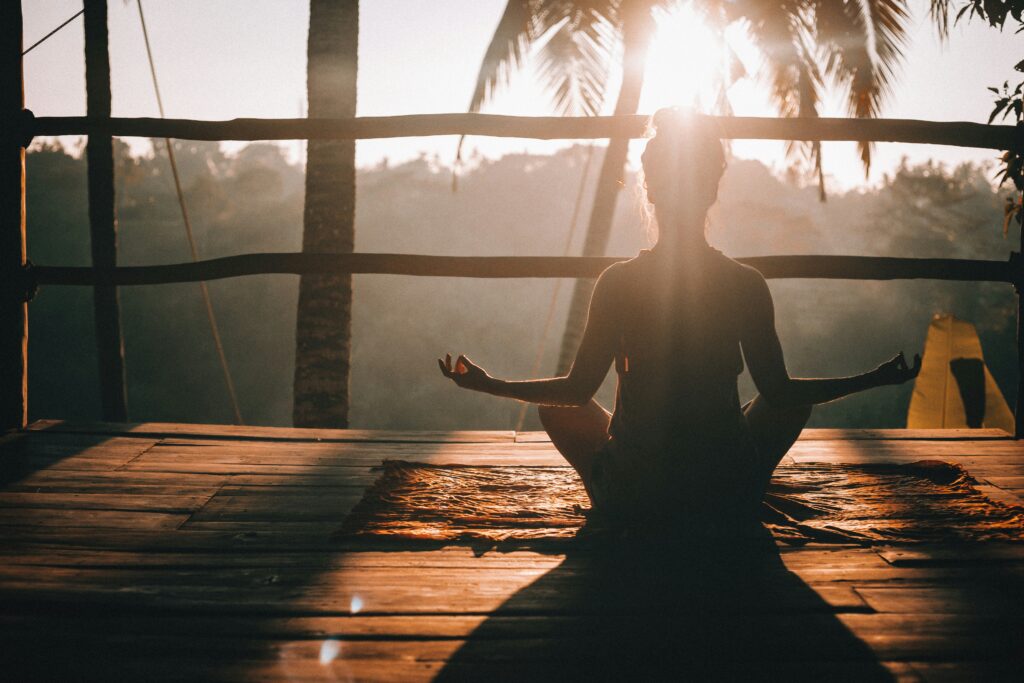
This goes a little beyond personal growth or overcoming psychological issues. If you don’t have a deeper reason, it is difficult to even get interested in something like this. A solitary retreat means you are deeply interested in calming and investigating how your mind works.
We often talk about maps of reality, about manifestation, about how we change the reality we live in. But how does it really work? Going into a solitary retreat means you are going to see how reality is created by your own mind. Our thoughts are constantly going on and on, even when we are not aware of them, and they are shaping our belief system and our reality.
This leads to enhanced awareness that can help in daily life, especially in dealing with emotions. Suddenly you start realising that all those thoughts are not really who you are. Thoughts come and go, and you as the watcher have power over them, not the opposite. They don’t have power over you. There is no way you can stop thoughts: they come and go all the time, and will always come and go.
When people sell you meditation as a place where there are no thoughts, be aware that is not possible. There are only a few rare states, lasting perhaps a few minutes or hours if you are very skilled, where there are no thoughts. However, thoughts coming and going are not the problem. The problem is when we identify with them, when we believe we are our thoughts. A solitary retreat can help in disidentifying from your thoughts and taking more control over them, over your emotions and more broadly over your life.
What Actually Happens During a Solitary Retreat
Creating Your Schedule
Choose your own schedule. This is crucial. It is a way to stick with a routine that can be softer and flexible or stricter. I prefer more flexible schedules; however, even within that flexibility, I abide strictly by the number of meditation sessions I want to do during the day, the number of hours I want to dedicate to breaks or walks outside, and the number of hours I decide to sleep. Within that structure, you can be flexible. For example, if you feel that one session is going very well, you could potentially extend it.
If you are not interested in meditation, these days will not go fast. However, when you start getting genuinely interested in the meditation sessions themselves, you start noticing how interesting it is and looking forward to your next session where you can investigate more about your mind and train your mind to be more focused, calm, and aware.
Practical Logistics
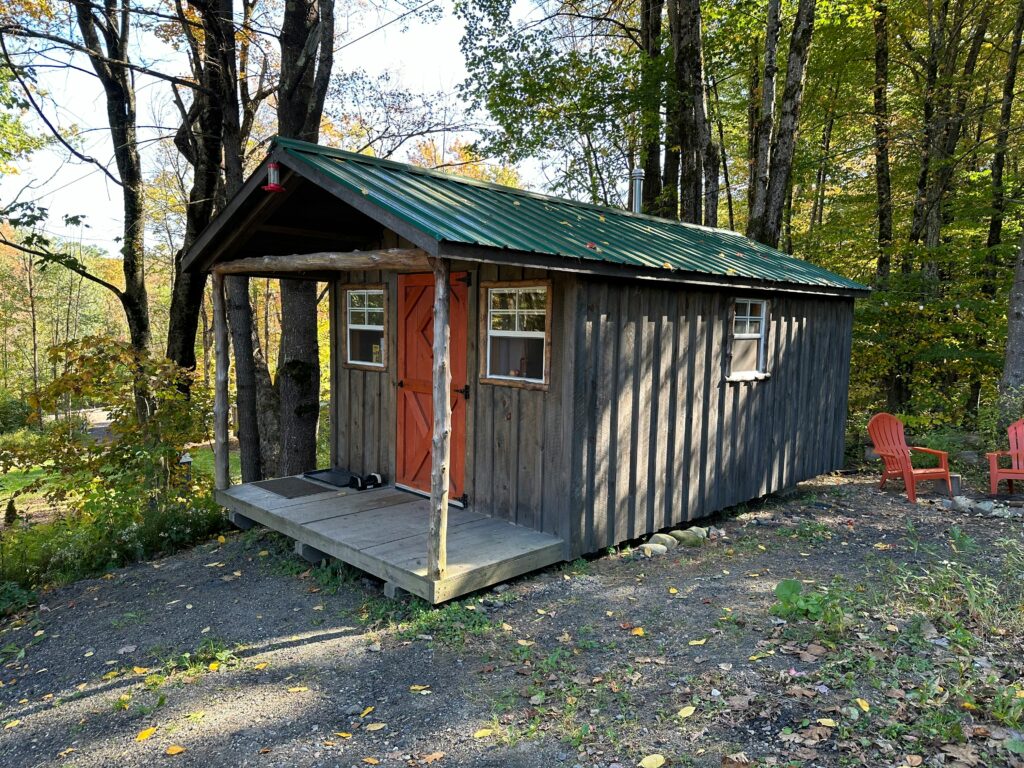
Usually during a solitary retreat, you have your meals provided or someone does the shopping for you so you don’t have to go out into the world or supermarket and be distracted by daily tasks. That is ideal. However, I have met people who went to the supermarket themselves, perhaps once a week, to have enough supplies to carry on. Ideally, and what worked best for me, was having someone cook for you so you don’t even have to think about what to cook, how to prepare it, or what to save. This saves all that planning time so you can concentrate more on your meditation tasks and focus.
It is up to you if you want to bring some books. These should only be connected to meditation. You are not reading novels or unrelated material, just meditation books that could potentially support and guide you during the retreat.
First Month vs. Second Month: The Reality of Mental Endurance
In my experience of my two-month retreat, I noticed that the first month went so well I didn’t have to open a single book, not even one page. My mind was so interested in the meditation sessions that I didn’t need any further distraction like reading on top of that. I could find the solutions I needed within my mind itself.
In the last month, things started going more difficult, and I had to look into some of the books I brought (all about meditation) to find help with some patterns I couldn’t unlock myself alone.
This is important to understand: even when things are going great, after a while the mind becomes tired and wants to escape. It is a lot of mental work to maintain awareness continuously. The mind will try to return to its patterns of distraction because staying present and aware requires constant effort. This mental fatigue is natural and expected.
This is similar to why lucid dreaming can be challenging at the beginning. Maintaining awareness in any state, whether waking or sleeping, requires significant mental energy and training.
Conclusion
A solitary retreat is not for everyone, and it is certainly not something to undertake lightly. It requires psychological stability, proper preparation, and a genuine interest in exploring the nature of your own mind. But for those who are ready and willing to take the journey, it offers something rare in our modern world: the opportunity to truly see how your mind works, to witness the constant stream of thoughts without being swept away by them, and through mindfulness to discover that you are not your thoughts: you are the awareness that observes them.
My two-month solitary retreat was one of the most challenging and rewarding experiences of my life. It taught me that silence is not empty; it is full of everything we usually miss in the noise of daily life. It showed me that awareness is not something we gain but something we uncover by removing the layers of distraction that cover it.