

We all dream. Every night, without exception, the sleeping mind produces imagery, emotion, and stories. Yet most of us wake and let it dissolve, treating our dreams as noise rather than signal. This guide explores what dreams actually mean and why paying attention to them might be one of the most valuable things you can do.
Dreams have fascinated human beings for as long as we have existed. They appear in the oldest written texts, at the heart of every spiritual tradition, and increasingly at the forefront of modern neuroscience. And yet the question remains deceptively simple: what do dreams mean?
The honest answer is that there is no single, universally agreed explanation. Dreams are complex, multi-layered experiences generated by one of the most sophisticated systems in the known universe. What the research does tell us, with increasing confidence, is that dreams are not random noise. They have meaning, and learning to engage with them can illuminate aspects of your life that waking consciousness alone cannot access.
What science says about why we dream
For decades, the dominant scientific view held that dreams were essentially a by-product of REM sleep, the mind’s random firing during memory consolidation, generating imagery that the conscious mind then attempted to weave into narrative. This view has finally shifted.
Research presented at the 2024 Nobel Conference by Harvard sleep scientist Robert Stickgold, one of the world’s leading authorities on sleep and cognition, described dreams as performing some of the most sophisticated functions the human mind is capable of. In sleep and dreams, Stickgold argues, the mind builds a model of the self and the world, consolidates autobiographical memory, and generates the sense of meaning that shapes who we are.
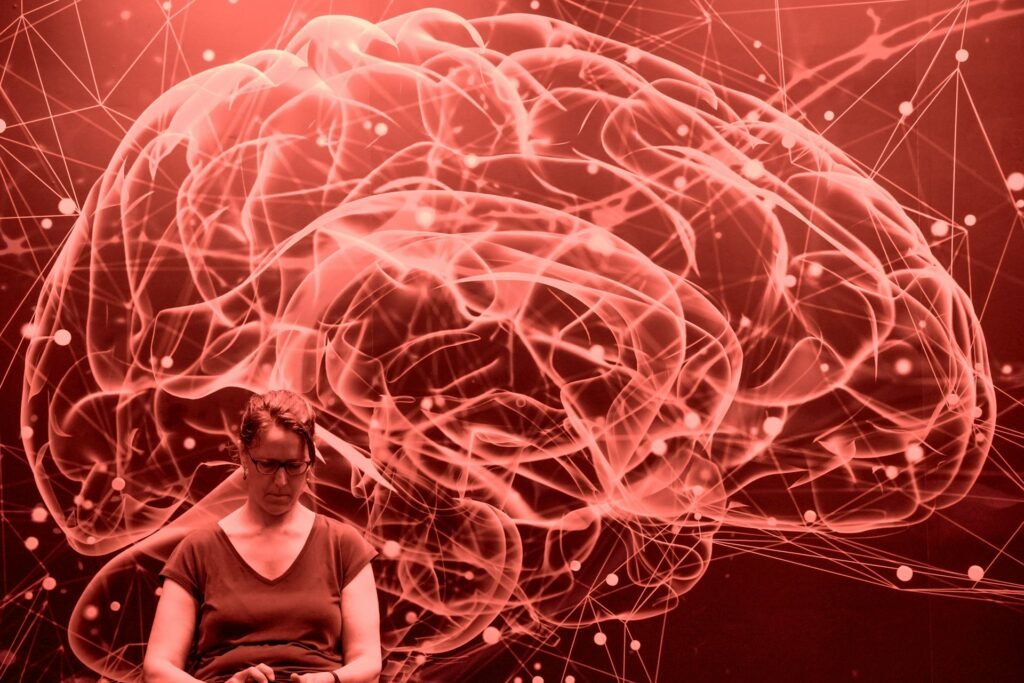
A 2025 meta-review published in the journal Dreaming examined 22 review articles on the neuroanatomy of dreams, finding consistent evidence that dreaming involves heightened activity in the limbic system and prefrontal cortex, the regions governing emotion, memory, and self-referential thought. Dreams are, neurologically speaking, a deeply emotional and deeply personal experience. They are the mind doing its most important work.
What happens in the brain during dreaming:
The limbic system, the brain’s emotional processing centre, is highly active during REM sleep, which is why dreams so often carry intense feeling.
The prefrontal cortex, which governs logic and self-monitoring, is partially suppressed, which is why dreams can feel entirely real, however improbable their content. Dreams appear to serve memory consolidation, emotional regulation, and the integration of new experience with existing knowledge.
What do dreams mean? The main theoretical frameworks
Several well-developed frameworks offer different, complementary lenses through which to understand dream meaning. None is complete in isolation; together they form a rich picture.
1. The continuity hypothesis
One of the most robustly supported theories in contemporary dream research, the continuity hypothesis proposes that dreams reflect the concerns, preoccupations, and emotional landscape of waking life. What you are processing during the day, emotionally and cognitively, tends to surface in the night. Dreams are not a departure from reality but a continuation of it, rendered in a different language.
2. The emotional regulation theory
Research strongly supports the view that dreaming, particularly during REM sleep, plays a crucial role in emotional processing. Dreams allow the brain to revisit and recontextualise emotionally charged experiences in a neurochemical environment that is notably lower in stress hormones. They are, in effect, a nightly form of emotional therapy: reviewing what has happened, integrating it, and reducing its charge.

3. The psychoanalytic tradition
Freud and Jung both proposed that dreams offered privileged access to the subconscious mind, the vast repository of memory, feeling, and symbolic meaning that operates beneath conscious awareness. Where Freud emphasised wish-fulfilment and repressed material, Jung understood dreams as messages from the self to the ego: attempts by the deeper psyche to communicate what the conscious mind has not yet grasped. Contemporary neuroscience has found increasing support for the psychoanalytic view that dreaming engages unconscious emotional processing, lending new credibility to this older tradition.
4. The threat simulation and problem-solving theories
Some researchers propose that dreams function as a rehearsal space, simulating threatening or challenging scenarios in order to prepare the dreamer for real-world encounters. Others emphasise the creative and problem-solving functions of dreaming: the loose, associative thinking of the dream state can produce novel connections and insights that more rigid waking cognition cannot reach. Numerous artists, scientists, and thinkers have credited dreams with significant creative breakthroughs.
What do specific dreams mean?
People most commonly want to know what particular dream images or experiences signify, like being chased, losing teeth, falling, flying, arriving unprepared for an exam. These images appear across cultures and across centuries with consistency, suggesting they draw on something deep in the shared human psyche.
There are two important things to hold in mind when approaching specific dream content. First, universal symbols do carry common themes: being chased often relates to avoidance, something not yet faced; teeth can relate to concerns about power, appearance, or loss; flying frequently connects to freedom, ambition, or transcendence. These are starting points, not fixed definitions.
Second, and more importantly, the meaning of any dream image is ultimately personal. What a dog means in your dream is shaped by your relationship with dogs. What a particular house represents depends on whose house it is and what it holds for you emotionally. Symbol dictionaries are useful reference points, but they cannot replace the deeper inquiry that genuine dream work involves.
A more useful question than ‘what does this symbol mean?’:
Rather than asking what a dream image means in the abstract, ask: what feeling did it carry? What does this image or situation remind me of in my waking life? What aspect of myself might this figure represent? What was I trying to do or avoid in the dream? These questions move dream interpretation from intellectual decoding into self-inquiry, which is where the real value lies.

Why working consciously with your dreams matters
The case for paying attention to your dreams goes well beyond intellectual curiosity. Research consistently shows that people who engage with their dreams, through journalling, reflection, or therapeutic dreamwork, report greater self-awareness, improved emotional regulation, and a richer sense of meaning and direction in their waking lives.
Dreams can surface material that the conscious mind is not yet ready to face directly: grief that has not been fully processed, conflict that has not been acknowledged, fears and phobias that have not beet yet addressed, creative potential that has not been given space. They can also serve as a barometer of psychological wellbeing, with shifts in dream quality, content, and emotional tone often reflecting shifts in the inner landscape long before they become fully conscious.
Recurring dreams, nightmares, and dreams with particularly vivid or persistent imagery are almost always communicating something significant. Learning to work with them, rather than dismissing them upon waking, is one of the most direct routes to the unconscious mind available to us.
Professional dream interpretation: going deeper
Mentre personal dream journalling is an invaluable starting point, there are dimensions of dream work that benefit considerably from professional support. A trained dream worker can help you explore the symbolic, emotional, and archetypal layers of your dreams with a depth and precision that is difficult to achieve alone, particularly when the dreams in question are distressing, recurring, or feel particularly charged.
At Lucid Mind Hypnotherapy, dream interpretation sessions combine clinical understanding with a grounding in transpersonal dream traditions. Whether you are working with a single vivid dream, a recurring theme, nightmares that are disrupting your sleep, or a desire to engage more consciously with your dream life, sessions are designed to meet you precisely where you are.
You can book your free consultation here.